

Introduction to Generateur 3D IA Technologies
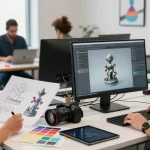
In recent years, the emergence of artificial intelligence (AI) has transformed various industries, and the world of 3D modeling is no exception. A generateur 3D IA enables users to create detailed three-dimensional models from text descriptions or 2D images within seconds. This rapid advancement in technology streamlines workflows, improves efficiency, and lowers the barriers for entry into the realm of 3D design. As we explore the capabilities and features of these tools, it’s essential to understand the significant benefits they bring, along with current trends shaping the industry. When exploring options, generateur 3D IA platforms offer comprehensive insights into this transformative technology.
What is a Generateur 3D IA?
A generateur 3D IA is an advanced tool that utilizes artificial intelligence to convert textual prompts or images into fully realized 3D models. These generators leverage deep learning algorithms to analyze input data, recognizing patterns and translating them into a three-dimensional format. As a result, users can produce high-quality assets without extensive expertise in traditional 3D modeling techniques. This opens up a new realm of possibilities for artists, engineers, and developers across different sectors.
Key Benefits of Using 3D AI Generators
- Speed: The most significant advantage of using a generateur 3D IA lies in its ability to create complex models quickly, often in mere minutes compared to traditional methods that can take hours or even days.
- Accessibility: These tools democratize 3D modeling by allowing individuals with little to no experience to produce professional-quality outputs, effectively broadening the user base.
- Cost-Effectiveness: By reducing the time required for model creation, businesses and individuals can save money on labor costs and expedite their projects.
- Quality: Modern AI generators produce high-fidelity models that are often indistinguishable from those created by experienced professionals, meeting industry standards for various applications.
- Integration: Many generateurs 3D IA can seamlessly integrate into existing workflows and tools, enhancing productivity without requiring substantial changes to established processes.
Current Trends in 3D Modeling Technologies
The realm of 3D modeling is constantly evolving, with several emerging trends driven by advancements in AI technology. One notable trend is the increasing demand for real-time rendering and virtual reality applications. As these technologies become more mainstream, the need for faster and higher-quality 3D assets grows. Additionally, generative design is gaining traction, where AI creates multiple design alternatives based on user-defined parameters. This allows for more innovative solutions and enhances creativity across various fields.
How to Choose the Best Generateur 3D IA for Your Needs
Identifying User Requirements and Objectives
When selecting the right generateur 3D IA for your projects, the first step is identifying your specific needs and objectives. Consider what types of models you aim to create, the level of detail required, and the intended application of these models. This process involves defining your target audience, whether they are game developers, filmmakers, or product designers, as different users have distinct requirements.
Comparison of Features Across Popular 3D AI Generators
Not all generateur 3D IA tools are created equal; hence, comparing their features is crucial in making an informed choice. Some key features to consider include:
- Input methods: Look for software that supports various inputs, such as text descriptions, sketch uploads, or image files.
- Output formats: Ensure the tool can export models in formats compatible with your existing software, like FBX, OBJ, or STL.
- Texturing and detailing capabilities: Advanced tools should offer options for applying realistic textures and materials to enhance the model’s quality.
- User interface: A clean, intuitive interface can significantly affect the user experience, particularly for beginners.
- Documentation and support: Access to tutorials, forums, and responsive support teams can assist users in getting the most out of the software.
Assessing Cost-effectiveness and Performance
Finally, evaluate the cost-effectiveness of the different options available in the market. While some tools may have a lower initial cost, hidden expenses such as subscription fees for additional features or credits for generating models can accumulate. It’s essential to weigh these factors against performance metrics like generation speed and output quality to find the most suitable solution for your needs.
Common Challenges with Generateur 3D IA Tools
Overcoming Technical Limitations and Learning Curves
Despite the many advantages of using AI-powered 3D generators, users may encounter certain challenges. One common issue is the technical limitations of the software, which can affect the complexity and fidelity of generated models. Additionally, while the tools are designed to be user-friendly, a learning curve may still exist, particularly for individuals new to 3D modeling or AI technology. It’s important to invest time in tutorials and practice to maximize the benefits of these tools.
Addressing Quality and Accuracy Issues
Another potential challenge is ensuring the quality and accuracy of the generated models. While AI technology has come a long way, it may still produce results that require manual adjustments or refinement. Users should factor in time for post-processing to ensure that the models meet their standards before finalization.
Managing Expectations for Non-Technical Users
Non-technical users may find it particularly challenging to manage their expectations when using a generateur 3D IA. Understanding the capabilities and limitations of the software is crucial to avoiding frustration. Clear communication about what can be achieved with the AI tool can help mitigate unrealistic expectations and lead to a more satisfactory experience.
Step-by-Step Guide to Implementing Generateur 3D IA
Preparing Your Workflow for 3D Integration
Integrating 3D AI generation into your workflow requires careful preparation. Start by mapping out your current processes and identifying areas where AI-generated models can enhance productivity. This might involve designing a streamlined pipeline that incorporates the generateur 3D IA alongside traditional modeling methods, ensuring smooth transitions and efficient use of resources.
Effective Techniques for Creating Models from Text and Images
Creating models from text and images is one of the standout features of these AI tools. Here are some effective techniques:
- Be descriptive: When using text prompts, provide clear and detailed descriptions that encompass the desired shape, size, and textures.
- Use high-quality images: For image inputs, select high-resolution images with distinct subject matter. The clearer the input, the better the output quality.
- Iterate: Generating multiple versions of a model can lead to discovering the best iteration, so don’t hesitate to experiment.
Optimizing Outputs for Various Applications
Once you have generated your models, optimizing them for specific applications is crucial. Depending on whether the models are intended for games, AR, or 3D printing, you may need to adjust their size, complexity, or file format. Ensuring that outputs are tailored to their intended use not only improves their functionality but also enhances the overall user experience.
Looking Ahead: The Future of Generateur 3D IA in 2026
Emerging Trends and Innovations in 3D Modeling
As we look toward 2026, several emerging trends are likely to shape the future of 3D modeling powered by AI. One prominent trend is the move towards customization and personalization, where users can tailor the generation process to fit their unique needs. This includes allowing for greater control over the aesthetics and functionality of generated models.
Predictions for User Engagement and Industry Growth
With the increasing accessibility of generateur 3D IA tools, user engagement is expected to rise significantly. As more individuals and small businesses leverage these technologies, the industry is projected to experience robust growth. The ongoing evolution of AI capabilities will likely lead to even more powerful tools that continue to inspire creativity and innovation across various sectors.
Preparing for Changes in 3D Content Creation Landscape
To remain competitive, businesses and creators must stay ahead of the curve by continuously evaluating and adopting new technologies. Preparing for shifts in the content creation landscape involves not only embracing AI tools but also nurturing a culture of experimentation and adaptation among teams.
FAQs about Generateur 3D IA
What formats can I use for generating 3D models?
Most generateur 3D IA tools support standard image formats such as JPG, PNG, and WebP for input. For output, they typically allow exports in formats like GLB, FBX, OBJ, STL, and more, ensuring compatibility with various applications.
How will using a generateur 3D IA improve my workflow?
By automating the model creation process, a generateur 3D IA significantly reduces the time and effort required for traditional 3D modeling. This allows users to focus on creativity, iterating designs more rapidly and effectively.
Are the models generated suitable for commercial use?
Yes, in most cases, users retain full rights to the models they generate. This enables them to use the assets commercially in projects such as games, advertising, and product visualization without restriction.
What should I consider when selecting a 3D model generator?
Consider the specific requirements of your projects, such as the types of assets you need, the detail level, compatibility with existing tools, and the overall cost. Evaluating user reviews and feature comparisons can also guide your decision.
Can I integrate generateur 3D IA into existing applications?
Many generateur 3D IA platforms offer APIs that allow for easy integration into existing applications, enhancing functionality and streamlining workflows for developers and businesses.