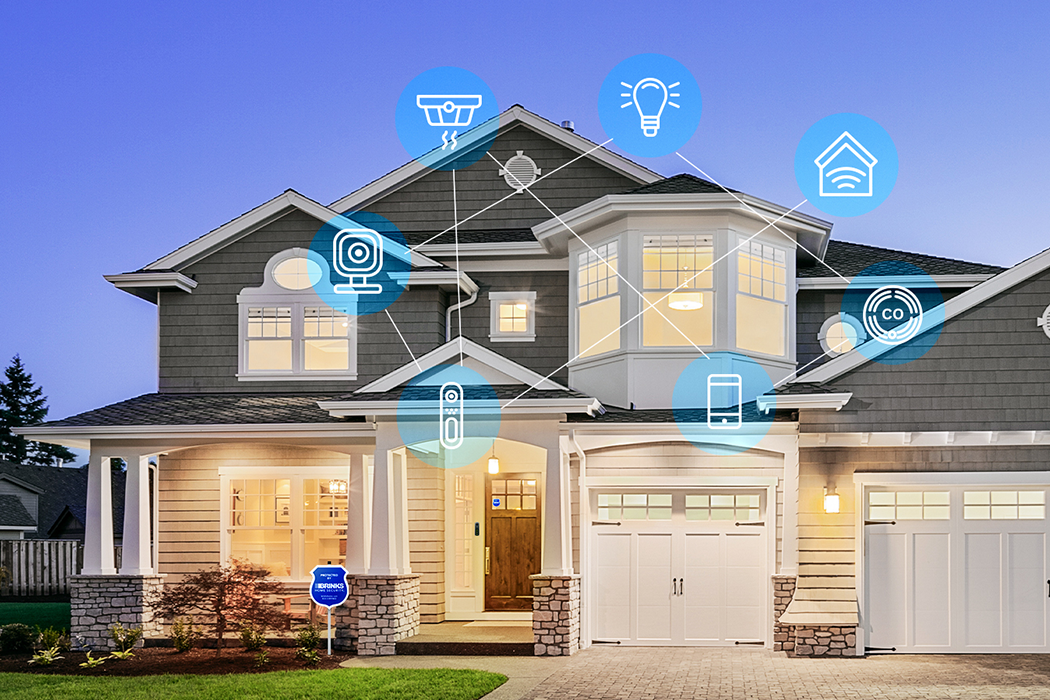
In today’s world, keeping your home and property safe is more important than ever. The rise of smart technology has made it easier to monitor your home from anywhere using high-quality cameras. The Best Home Security Cameras not only provide clear video footage but also alert you in real time if something unusual happens. In this article, we will explore the top features, types, and benefits of these cameras, helping you choose the right system for your home in 2025.
Why Investing in the Best Home Security Cameras Matters
Home security cameras are no longer a luxury. They are essential tools for protecting your home, family, and belongings. A good camera system can deter burglars, monitor deliveries, and even keep an eye on pets. Many homeowners have experienced peace of mind knowing they can check on their property while at work, on vacation, or even just in another room.
For instance, imagine returning home after a long day and noticing a package left at your doorstep. A security camera can confirm its presence and alert you in real time, preventing potential theft.
Key Features to Look for in the Best Home Security Cameras
When choosing the best home security cameras, there are several features to consider to ensure maximum protection.
1. High-Definition Video Quality
Sharp, clear video is crucial for identifying faces, vehicles, and other important details. Look for cameras offering at least 1080p resolution, although some premium models now provide 2K or 4K clarity.
2. Night Vision Capability
Criminal activity often occurs at night. Cameras with infrared or color night vision ensure you can monitor your home even in low light or total darkness.
3. Motion Detection Alerts
Smart motion sensors can detect movement around your property and send instant alerts to your smartphone. Some advanced systems even differentiate between humans, animals, and vehicles.
4. Two-Way Audio
Two-way audio allows you to communicate directly through the camera. This feature is useful for greeting visitors, warning intruders, or coordinating with family members remotely.
5. Cloud Storage and Local Storage Options
Many modern cameras offer cloud storage, so footage is accessible from anywhere. Local storage, like SD cards, provides a backup in case internet connectivity fails.
6. Smart Home Integration
Integration with smart home systems like Alexa, Google Home, or Apple HomeKit allows you to control your cameras using voice commands or automate recording schedules.
7. Weather Resistance for Outdoor Cameras
Outdoor cameras must withstand rain, heat, and snow. Check for IP65 or higher ratings to ensure durability in various weather conditions.
Types of Home Security Cameras
Choosing the right type of camera depends on your property layout, security needs, and budget.
1. Indoor Cameras
Indoor cameras are designed to monitor the inside of your home. They are usually compact, easy to install, and can be placed on shelves, tables, or mounted on walls. These cameras are ideal for keeping an eye on children, pets, and valuables.
2. Outdoor Cameras
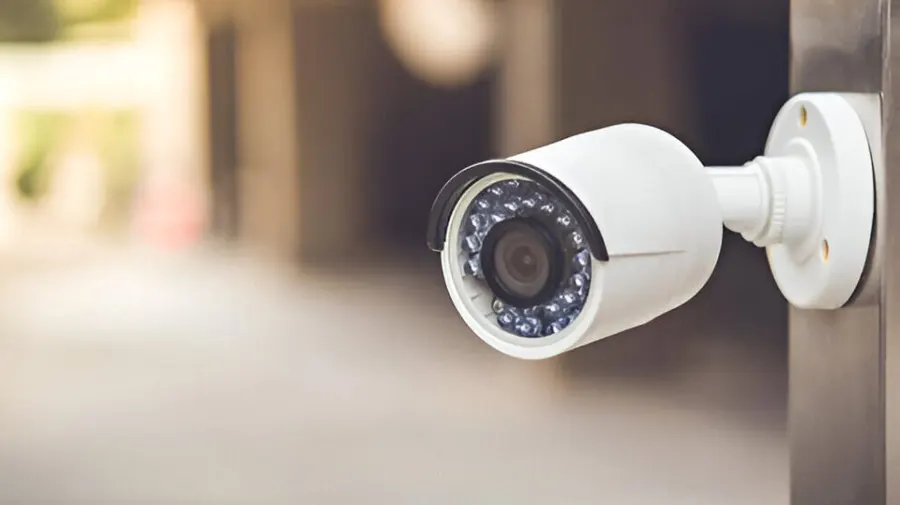
Outdoor cameras are built to withstand weather conditions while providing wide coverage of your property. Many feature motion-activated floodlights and two-way audio, making them a strong deterrent for burglars.
3. Doorbell Cameras
Doorbell cameras combine convenience with security. They allow you to see and speak with visitors at your doorstep via your smartphone. Some models even record packages and notify you of attempted theft.
4. Wireless Cameras
Wireless cameras offer flexibility and easier installation. They connect via Wi-Fi and can be relocated without major modifications to your home. Battery-powered options are available for areas without nearby power sources.
5. PTZ (Pan-Tilt-Zoom) Cameras
PTZ cameras can rotate horizontally and vertically and zoom in for detailed viewing. These cameras are ideal for larger properties and areas that require dynamic monitoring.
How to Choose the Best Home Security Cameras for Your Home
Selecting the right camera system can feel overwhelming with so many options available. Here’s a step-by-step guide to simplify the process:
Step 1: Assess Your Needs
Consider what you want to monitor—entry points, backyards, driveways, or interior rooms. Determine if you need indoor cameras, outdoor cameras, or a combination.
Step 2: Determine Your Budget
Home security cameras vary in price, from budget-friendly options around $50 to advanced systems costing several hundred dollars. Remember, investing in quality cameras can save you from costly theft or damage.
Step 3: Check Compatibility
Ensure the camera system works with your smartphone, Wi-Fi network, and any smart home devices you already use. Compatibility simplifies setup and daily use.
Step 4: Evaluate Storage Options
Decide whether you prefer cloud storage, local storage, or both. Cloud storage allows remote access to recordings, while local storage offers a secure backup.
Step 5: Read Reviews and Test Performance
Real-life reviews and performance tests can reveal potential issues like connectivity problems or poor video quality. Trusted sources, like Deep Dive Picks, provide in-depth evaluations to guide your decision.
Benefits of the Best Home Security Cameras
Investing in the best home security cameras comes with multiple advantages:
- Deterrence: Visible cameras discourage potential burglars from targeting your home.
- Real-Time Alerts: Immediate notifications help you respond quickly to unusual activity.
- Remote Monitoring: Check your property from anywhere using a smartphone app.
- Evidence Collection: High-quality footage can be used to identify intruders or support insurance claims.
- Peace of Mind: Knowing your home is monitored reduces stress and improves overall safety.
Real-Life Example
A family in California installed an outdoor security camera system after several neighborhood package thefts. One night, the motion detection alerted them to a suspicious person near the front porch. The homeowners contacted authorities, who apprehended the individual thanks to the camera footage. This scenario highlights how investing in reliable cameras can prevent theft and protect property.
Installation Tips for Home Security Cameras
Installing your cameras correctly ensures optimal coverage and performance. Here are some practical tips:
- Choose High Locations: Mount cameras high enough to avoid tampering but low enough to capture details.
- Avoid Obstructions: Ensure trees, walls, or furniture do not block the camera’s view.
- Test Lighting Conditions: Make sure cameras handle bright sunlight, shadows, and nighttime conditions.
- Secure Wi-Fi: For wireless cameras, a strong and secure Wi-Fi network is essential to maintain connectivity.
- Regular Maintenance: Clean lenses and check battery levels regularly to keep cameras functional.
Advanced Features to Consider in 2025
As technology advances, modern home security cameras include several innovative features:
- AI-Powered Motion Detection: Reduces false alerts by distinguishing between people, animals, and moving objects.
- Facial Recognition: Identifies family members or frequent visitors for more intelligent monitoring.
- Smart Alerts: Sends notifications based on activity type, location, or time of day.
- Integration with Home Automation: Connects with lights, locks, and alarms to create a comprehensive security ecosystem.
Analogy
Think of a home security camera as a watchful guardian. While you sleep or go about your day, it continuously observes, detects, and communicates, much like having a vigilant neighbor keeping an eye on your property.
Choosing the Right Location for Your Cameras
Indoor Camera Placement Tips
Placing the best home security cameras in strategic indoor locations ensures you capture key areas like entryways, living rooms, and nurseries. Avoid blind spots and make sure the cameras cover high-traffic zones where intruders or unexpected incidents may occur.
Outdoor Camera Placement Strategies
For outdoor surveillance, the best home security cameras should monitor driveways, backyards, and front porches. Position cameras at elevated angles to prevent tampering and maximize the field of view for complete property coverage.
Understanding Camera Features
Video Quality and Night Vision
High-definition video is crucial. The best home security cameras in 2025 often offer 1080p or higher resolution with advanced night vision, ensuring clear footage even in low light conditions.
Motion Detection and Alerts
Smart motion sensors are a key feature of the best home security cameras. They send real-time notifications for unusual movements and can differentiate between people, animals, and objects for accurate alerts.
Connectivity and Smart Home Integration
Wi-Fi and Network Requirements
Reliable Wi-Fi is essential for the best home security cameras to function efficiently. Ensure strong network coverage to avoid downtime and maintain smooth video streaming.
Smart Home Compatibility
Integration with devices like Alexa or Google Home makes the best home security cameras even more versatile. You can receive voice alerts, automate recordings, and manage your security system effortlessly.
Storage Options and Data Management
Cloud Storage Advantages
Many homeowners prefer the best home security cameras with cloud storage, allowing remote access to footage and secure backup in case of camera tampering or theft.
Local Storage and Backup Solutions
Local storage is another feature to consider. The best home security cameras often support SD cards or network storage, ensuring you have a reliable backup when internet service is unavailable.
Maintenance and Longevity
Cleaning and Routine Checks
Regular maintenance ensures the best home security cameras continue to perform optimally. Clean lenses, check for software updates, and test alerts to keep your system reliable.
Battery Life and Weatherproofing
Battery-powered and weatherproof best home security cameras are ideal for outdoor use. Regularly check battery levels and ensure cameras withstand rain, snow, or extreme temperatures for long-term protection.
Conclusion
The best home security cameras provide more than just surveillance—they offer peace of mind, protection, and convenience. By considering video quality, night vision, motion detection, storage options, and smart home integration, you can find a camera system that fits your needs and budget. Whether you want to monitor your children, pets, or property, investing in a reliable home security camera is a smart move for 2025. Protecting your home has never been easier, and with the right camera, you can rest assured knowing your property is secure. Navigate easily through our content by starting from the main page.
FAQs
What are the best home security cameras for beginners?
For beginners, indoor cameras like the Wyze Cam or Ring Indoor Cam are easy to set up, affordable, and offer essential features such as motion detection, two-way audio, and smartphone alerts.
How do I maintain my home security cameras?
Regularly clean the camera lenses, check the battery or power supply, ensure firmware is updated, and test alerts to make sure your system is always functioning correctly.
Can I use multiple cameras together in one system?
Yes, most modern home security systems allow multiple cameras to be connected to a single app, enabling seamless monitoring of different areas of your property simultaneously.